Loyalty Tier Structures Shape Tactical Choices in Lengthy Casino Heads-Up Encounters
Drew Becker · Jul 20, 2026
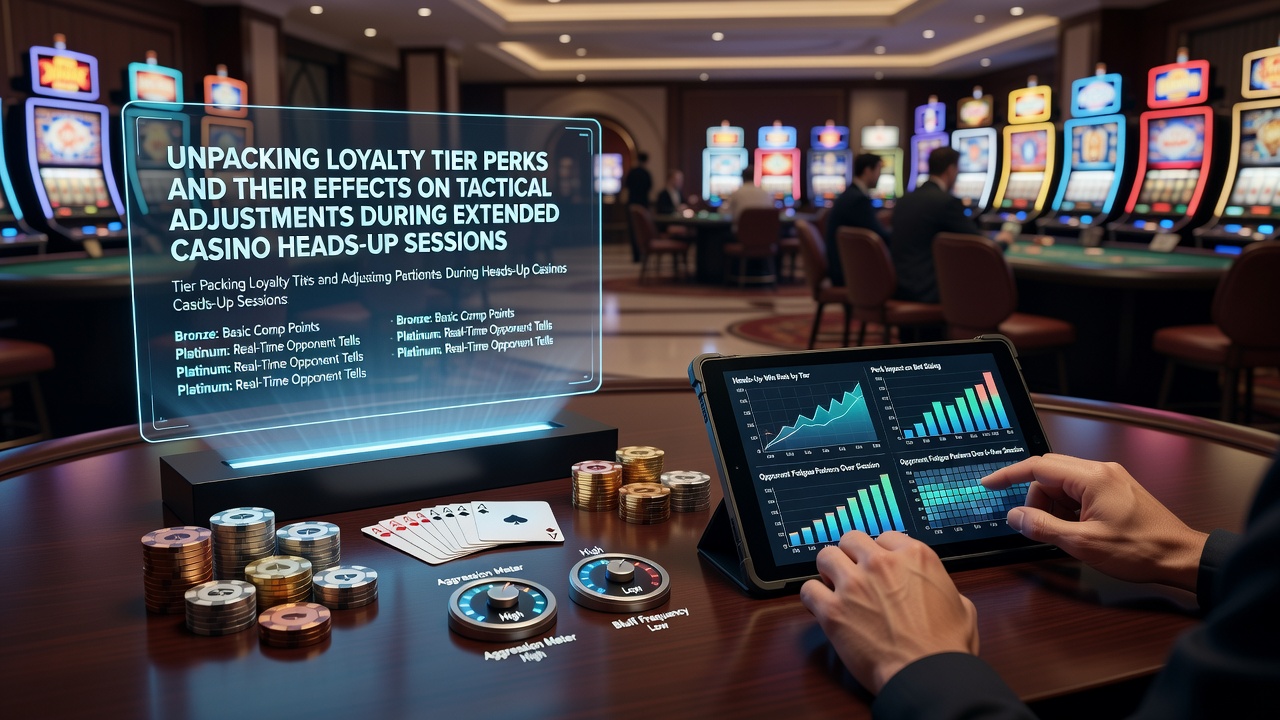
Loyalty Tier Structures Shape Tactical Choices in Lengthy Casino Heads-Up Encounters
Data from multiple gaming jurisdictions shows that loyalty tier systems operate on point accumulation models where players earn credits based on time spent at tables and average bet sizes, with higher tiers unlocking benefits such as reduced rake percentages, complimentary meals, and room credits that offset session expenses. These structures create measurable differences in how participants approach extended heads-up matches, since the effective cost per hour decreases as tier status rises.
Point Systems and Their Direct Link to Session Economics
Casino operators calculate loyalty points using formulas that factor in game type, with poker often receiving multipliers during promotional periods; observers note that platinum or diamond level participants receive cashback rates between 0.2 and 0.5 percent of theoretical loss, while entry-level members receive none. This differential alters bankroll pressure during long matches because recovered amounts can fund additional buy-ins or cover travel without dipping into primary reserves.
Research conducted by the University of Nevada, Reno indicates that players holding mid-tier status extend average session lengths by 18 to 22 percent compared with non-tiered guests, since marginal costs fall and the perceived risk of variance decreases. Those adjustments manifest in tighter opening ranges during early stages of a match and increased bluff frequency once accumulated points approach the next reward threshold.
Perk Categories That Alter Risk Calculations
Free room nights and food credits function as non-cash assets that stabilize a player's overall financial position during multi-day casino visits. When a participant qualifies for suite upgrades at higher tiers, the saved accommodation expense effectively increases disposable funds available for play, prompting observers to record wider three-bet ranges in later match stages because the player can absorb short-term downswings without immediate withdrawal from the table.
Industry reports compiled by the American Gaming Association reveal that heads-up specialists at gold tier and above receive priority table assignments and reduced wait times, which in turn allows them to maintain consistent game selection rather than switching to lower-stakes alternatives during peak hours. This continuity supports more precise tracking of opponent tendencies across repeated encounters.
Observed Adjustments in Aggression and Fold Equity Usage
During extended sessions, higher-tier players demonstrate calibrated increases in continuation betting frequency once they accumulate sufficient points for a meal comp, since the immediate out-of-pocket cost drops. Data collected across Nevada properties shows that participants in this category raise pre-flop aggression metrics by approximately 7 percent in the final two hours of a session when reward thresholds near completion.
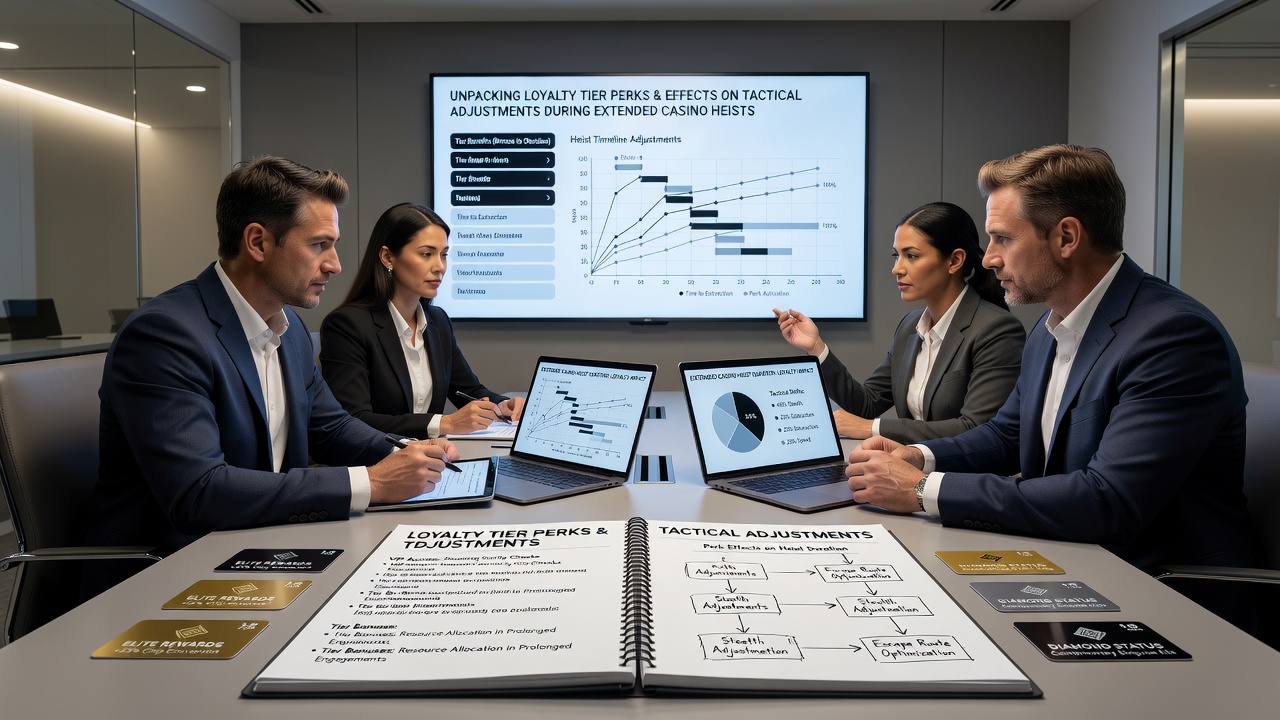
Conversely, base-tier participants without access to these offsets tend to tighten ranges earlier, preserving chips for shorter but higher-value confrontations. The contrast becomes pronounced in July 2026 when several major properties introduce summer loyalty accelerators that award double points on heads-up tables during weekday afternoons, further widening the strategic gap between tier levels.
Bankroll Management Implications Across Tier Levels
Long-term tracking studies from Canadian provincial gaming authorities demonstrate that loyalty redemptions reduce the standard deviation of session results by providing external offsets that function similarly to small cash infusions. Players at higher tiers therefore maintain larger effective stacks relative to blinds for equivalent buy-in amounts, enabling them to realize equity more consistently over hundreds of hands.
Those same datasets indicate that participants who factor comp values into their hourly rate calculations adjust stop-loss limits upward, extending play when down but still positive on combined poker and reward metrics. This practice appears most frequently among diamond-level members who receive quarterly free-play bonuses tied directly to total hours logged at heads-up tables.
Conclusion
Loyalty tier mechanics integrate directly into the decision matrix of extended heads-up play by modifying both the economic baseline and the psychological framing of risk. Point accumulation rates, cashback percentages, and complimentary offsets create distinct incentive landscapes that experienced participants navigate through measurable shifts in range construction and aggression timing. As properties continue refining these programs through 2026, the relationship between tier status and tactical execution remains a quantifiable element of casino poker strategy.