Loyalty Programs Quietly Shape Session Lengths in Casino Heads-Up Poker
Jordan Hartmann · Jun 29, 2026
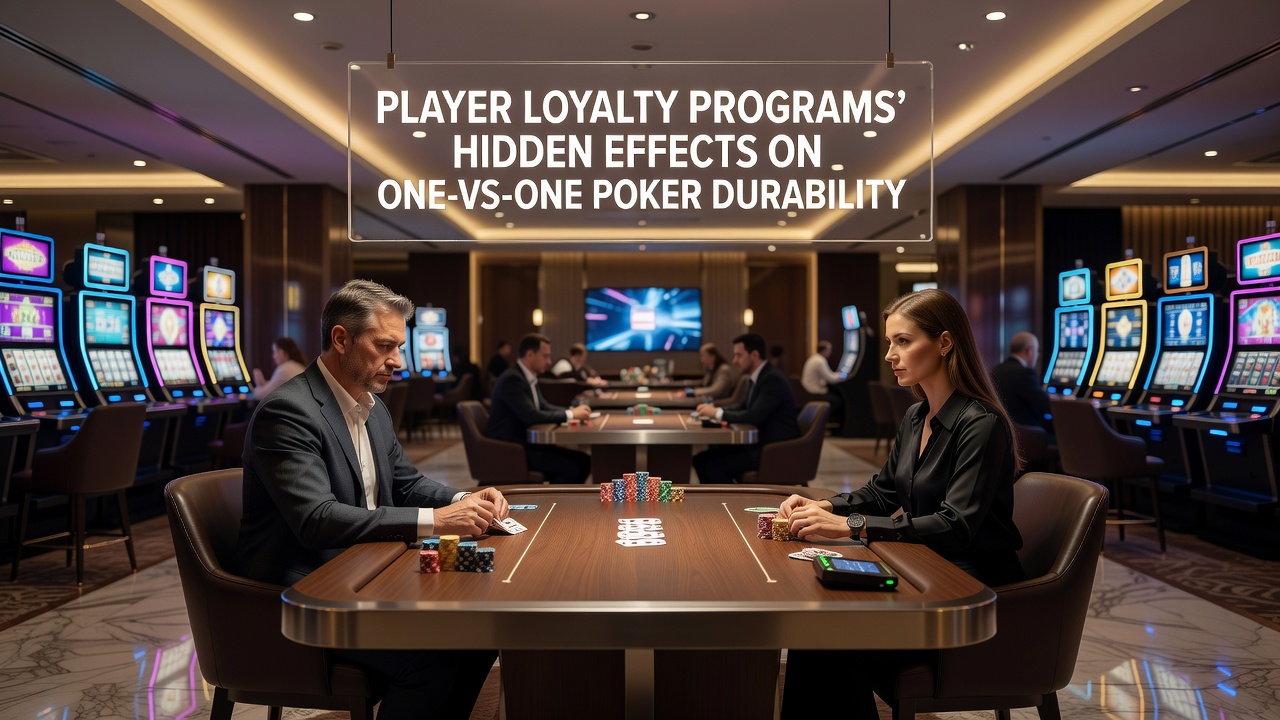
Loyalty Programs Quietly Shape Session Lengths in Casino Heads-Up Poker
Player loyalty programs at gaming venues track every hand through integrated software that awards points based on time spent and average bet size, creating direct incentives that extend one-versus-one poker encounters beyond what players might otherwise choose. These systems operate across major properties in Las Vegas, Atlantic City, and international markets where heads-up tables generate consistent action, and the points accumulate faster during prolonged duels because the rake structure often ties rewards to overall volume rather than individual outcomes.
Mechanics Behind Point Accumulation in One-on-One Settings
Casino operators calculate loyalty credits using formulas that factor in hours played and total rake contributed, which in heads-up formats means a single table can produce steady point growth even when stacks remain relatively stable. Data from venue reports shows that players reaching certain point thresholds receive comps such as free meals or room upgrades, and these thresholds often align with session durations of four to six hours, encouraging participants to continue rather than cash out early. Researchers at the University of Nevada, Las Vegas documented similar patterns in 2025 studies where loyalty tiers correlated with measurable increases in average session length across poker rooms.
Points systems also incorporate multipliers during promotional periods, and in June 2026 several properties announced expanded double-point weekends specifically for heads-up and short-handed games. Those adjustments coincided with observed rises in table occupancy during evening shifts, as players sought to maximize rewards before the promotions ended. The structure rewards volume over results, so a losing player can still earn enough credits to offset some costs, which sustains participation even after significant swings.
Effects on Risk Tolerance and Decision Patterns
Observers note that once players accumulate visible progress toward the next reward tier, their approach to bet sizing and bluff frequency can shift subtly. A player close to earning a significant comp may elect to play marginal hands longer or call wider in all-in situations because the potential loss is partially offset by future non-cash benefits. Industry analyses from the Canadian Institute for Gaming Research indicate that loyalty members exhibit different fold frequencies in late session stages compared with non-members, particularly when point totals sit near redemption thresholds.
Venues track these behaviors through player cards linked to table management systems, allowing floor staff to offer targeted incentives such as bonus point awards or drink service that further encourage continuation. In heads-up environments the direct opponent interaction amplifies these effects, since one participant staying longer influences the other to remain as well, creating paired session extensions that compound point earnings for both.

Bankroll Implications Across Multiple Visits
Repeated visits compound the durability factor because accumulated tier status unlocks higher point rates and better comp values on subsequent trips. A player who maintains consistent heads-up activity over several months can reach gold or platinum levels that reduce effective costs through rebates and priority seating, which in turn supports longer individual sessions without immediate pressure to protect remaining chips. Figures released by the Nevada Gaming Control Board for fiscal year 2025 showed poker room loyalty redemptions totaling several million dollars in comp value, much of it tied to extended play metrics.
Session data analysis reveals cyclical patterns where players return sooner after receiving meaningful rewards, and the interval between visits shortens as tier benefits increase. This feedback loop keeps one-versus-one tables active more frequently, because the perceived value of continued play rises with each reward earned. Properties in Macau and Singapore employ parallel systems with regional adaptations, such as tiered cashback percentages that scale with total hours logged, producing comparable extensions in heads-up engagement times.
Regulatory Context and Venue Adaptations
Gaming authorities in multiple jurisdictions require transparency around how loyalty calculations affect play incentives, and operators respond by publishing clear point-earning rates on their websites and mobile apps. In June 2026 updates to reporting standards in several U.S. states emphasized disclosure of any multipliers applied to poker-specific activity, aiming to give participants full visibility into the reward structures influencing their decisions. Venues have adjusted software interfaces to display real-time point progress during active sessions, allowing heads-up players to monitor progress without leaving the table.
These adaptations maintain engagement while complying with oversight, and the resulting data helps venues refine reward schedules to balance player retention with operational goals. The interplay between points and session durability remains measurable through internal metrics that track average duration per loyalty tier, providing operators with actionable information on how to structure future promotions.
Conclusion
Loyalty programs integrate directly into the operational framework of casino poker rooms, and their influence on one-versus-one session lengths stems from measurable point mechanics, tier progression, and targeted incentives rather than isolated player choice. Data collected across venues demonstrates consistent correlations between reward structures and extended play periods, particularly when promotions align with heads-up availability. As systems evolve with new reporting requirements and digital tracking tools, the quiet effects on durability continue to shape how participants approach sustained encounters at physical gaming sites.