How Casino Environments Shape Visual Perception and Focus During Extended Heads-Up Poker Sessions
Jonas Keller · Sep 9, 2026
How Casino Environments Shape Visual Perception and Focus During Extended Heads-Up Poker Sessions
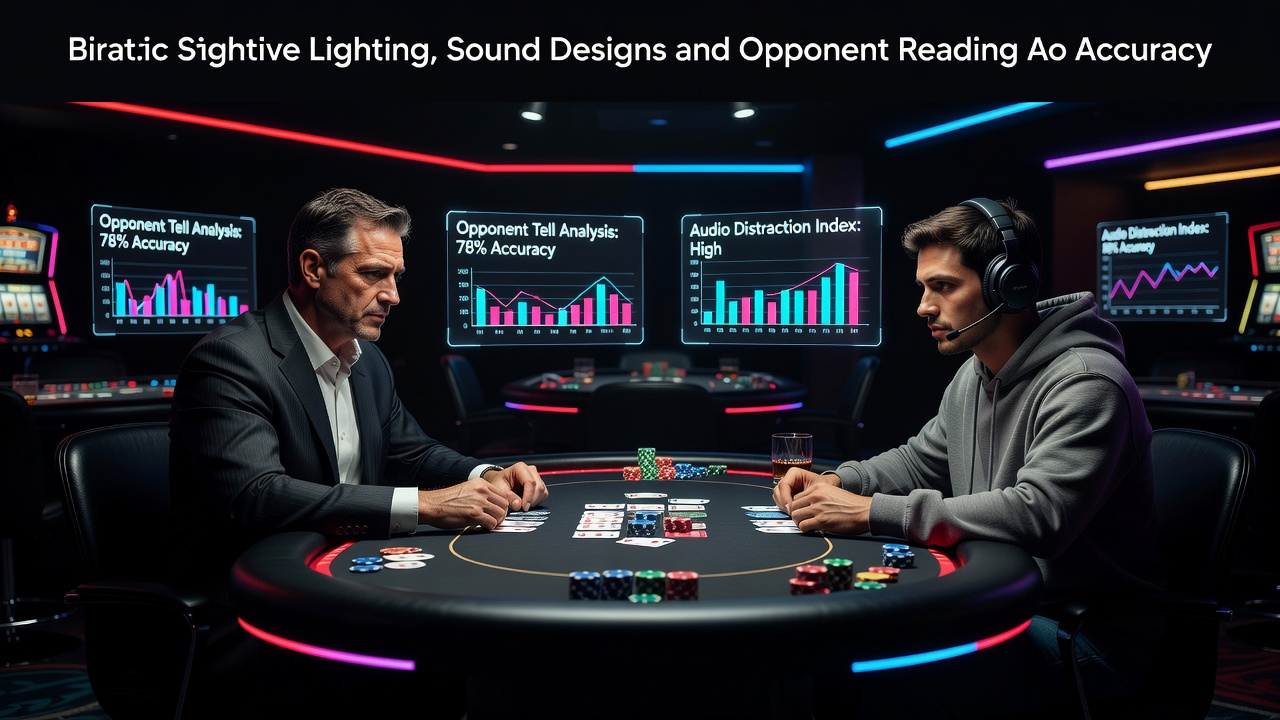
Casino lighting systems typically combine low ambient levels with concentrated beams over tables, and this setup directly affects how players detect micro-expressions or posture shifts during long heads-up encounters that stretch across multiple hours.
Lighting Configurations and Their Effects on Facial Cue Detection
Overhead fixtures in many venues use adjustable LED arrays that reduce glare on felt surfaces while casting shadows across seated players, and researchers from the University of Nevada Las Vegas have documented how these patterns alter the visibility of eye movements and mouth tension. Observers note that softer peripheral lighting can mask subtle blanching around the knuckles or neck veins, whereas brighter direct beams highlight those same signals even as fatigue accumulates after the fourth or fifth hour of play.
Data collected across multiple Nevada properties shows consistent patterns where players seated under warmer color temperatures report higher accuracy when tracking opponent breathing rates, yet the same conditions increase eye strain once sessions exceed six hours. And while cooler blue-tinted lights preserve alertness for some participants, they tend to flatten skin tone variations that others rely upon for tells.
Sound Design Elements and Concentration Maintenance
Background audio systems in casino poker rooms often layer low-frequency music with intermittent machine chimes, creating a baseline that masks external distractions while simultaneously challenging verbal and nonverbal cue processing. Studies conducted by the Australian Institute of Gambling Research indicate that controlled sound levels between 55 and 65 decibels correlate with steadier heart-rate variability among participants in prolonged one-on-one formats, although sudden volume spikes from nearby slot areas disrupt this stability.
Those who have examined session logs from Las Vegas properties observe that players exposed to continuous low-level ambient tracks maintain more consistent betting rhythms across extended matches, while abrupt sound changes coincide with momentary drops in reading accuracy. What's interesting is how certain venues tune their systems seasonally, adjusting frequencies ahead of busier periods to help regulars sustain focus without the cumulative drain that repeated auditory interruptions produce.
Combined Sensory Inputs During Prolonged Play
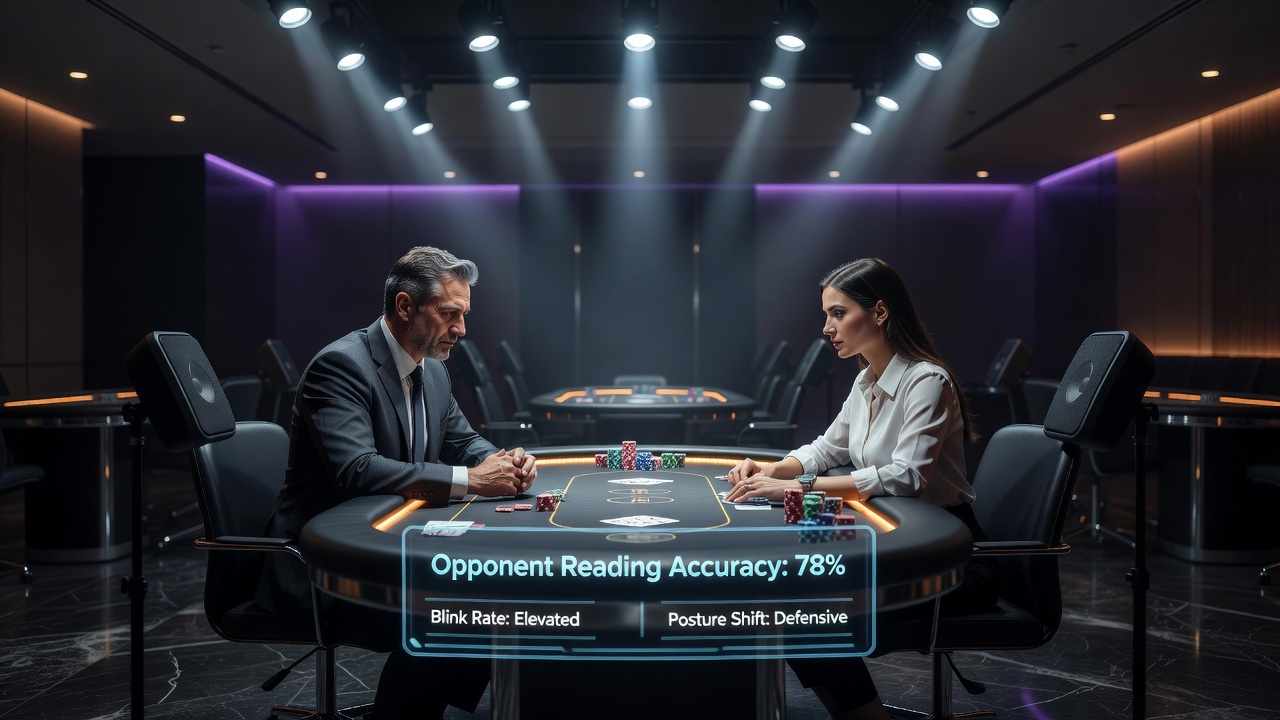
When lighting and sound operate together, the combined load on cognitive resources becomes measurable, and figures from the Nevada Gaming Control Board reveal increased use of extended break protocols in rooms that maintain both bright table spots and layered audio tracks. Players often find that consistent environmental pairings allow quicker adaptation, whereas frequent changes in either domain force repeated recalibration of attention to opponent mannerisms.
One documented case involved a series of late-night sessions at a major property where dimmed lighting paired with steady instrumental audio produced fewer timing tells from participants compared with brighter, more variable soundscapes. Researchers continue to track these interactions as the industry prepares for upcoming tournament calendars that include September 2026 events, where longer heads-up formats remain a staple across multiple jurisdictions.
Practical Adjustments Observed in Casino Settings
Many properties have introduced modular lighting controls that allow dealers or supervisors to shift beam angles mid-session, and industry reports note corresponding adjustments in sound zoning to maintain player comfort without sacrificing table visibility. Data from Canadian provincial gaming commissions shows these modifications correlate with steadier decision intervals during matches that last beyond standard tournament structures.
But here's the thing: the same controls that improve one player's ability to read posture can simultaneously reduce another participant's capacity to hide their own signals, creating an ongoing environmental trade-off that participants must navigate in real time.
Conclusion
Lighting and sound configurations in casino poker rooms interact with player physiology in measurable ways during extended heads-up play, and ongoing data collection continues to refine how these elements influence cue detection accuracy. Venues that monitor and adjust both factors provide environments where sustained performance depends partly on consistent sensory conditions rather than solely on individual skill adaptation.