Decoding Player Signals: Adapting Strategies in Casino Heads-Up Matches to Support Long-Term Financial Stability
Jonas Keller · Jul 29, 2026
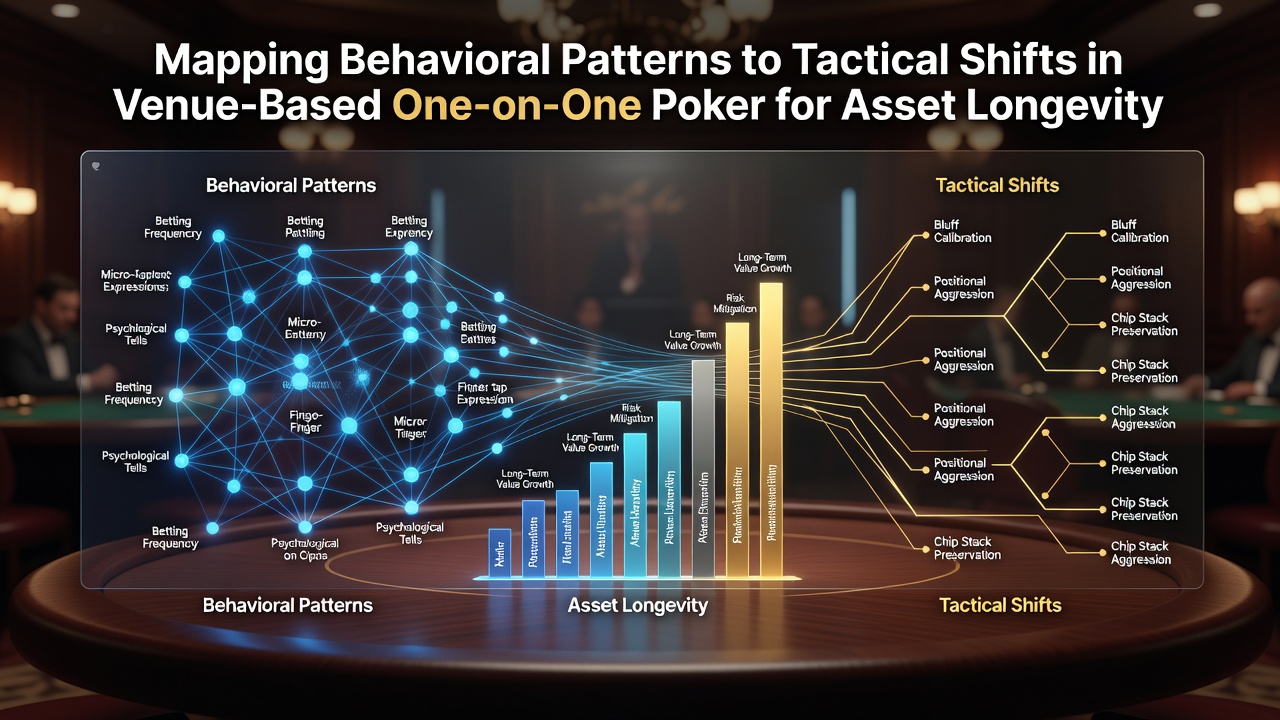
Decoding Player Signals: Adapting Strategies in Casino Heads-Up Matches to Support Long-Term Financial Stability
Venue-based one-on-one poker requires players to observe physical actions and timing variations then convert those observations into immediate strategy adjustments that preserve bankroll resources over extended periods. Research from multiple gambling studies shows consistent links between specific behavioral markers and successful tactical responses in regulated casino environments. Observers note that experienced participants track how opponents handle chips, alter their breathing patterns, and vary decision speeds because these elements often signal shifts in hand strength or emotional state during live sessions.
Core Behavioral Markers in Physical Poker Settings
Physical venues introduce variables absent from digital formats, including direct eye contact, posture changes, and audible reactions that trained players monitor throughout each hand. Data from casino floor reports indicate that timing tells, such as rapid bets followed by prolonged pauses, frequently precede aggressive lines or sudden retreats. Those who study live play find that chip stacking habits, like precise alignment versus hurried movements, correlate with confidence levels and can prompt preemptive adjustments in bet sizing. In July 2026, expanded tournament schedules at major North American properties continue to highlight how these markers influence outcomes in prolonged heads-up encounters.
Converting Observations into Tactical Shifts
Mapping a detected pattern to a concrete action starts with categorizing the cue then selecting an appropriate counter. When an opponent displays accelerated breathing during large pot decisions, many participants respond by increasing continuation bet frequency on subsequent streets to exploit perceived uncertainty. Studies published through the Canadian Institute for Gambling Research demonstrate that players who calibrate aggression based on such physical indicators maintain steadier session results across multiple venues. The process involves repeated observation cycles where initial assumptions receive verification through subsequent hands before full commitment to the adjusted line.
Venue-Specific Factors Influencing Pattern Recognition
Casino layouts, lighting conditions, and ambient noise levels affect how clearly behavioral cues register during play. Participants report that softer table surfaces can mask chip handling sounds while brighter overhead lighting makes facial micro-expressions easier to read. American Gaming Association data reveals that properties with dedicated high-stakes areas often see more consistent application of pattern-based adjustments because the controlled environment reduces external distractions. Those mapping behaviors adjust their own physical presentation as well, maintaining neutral posture to avoid feeding reciprocal information back to observant opponents.
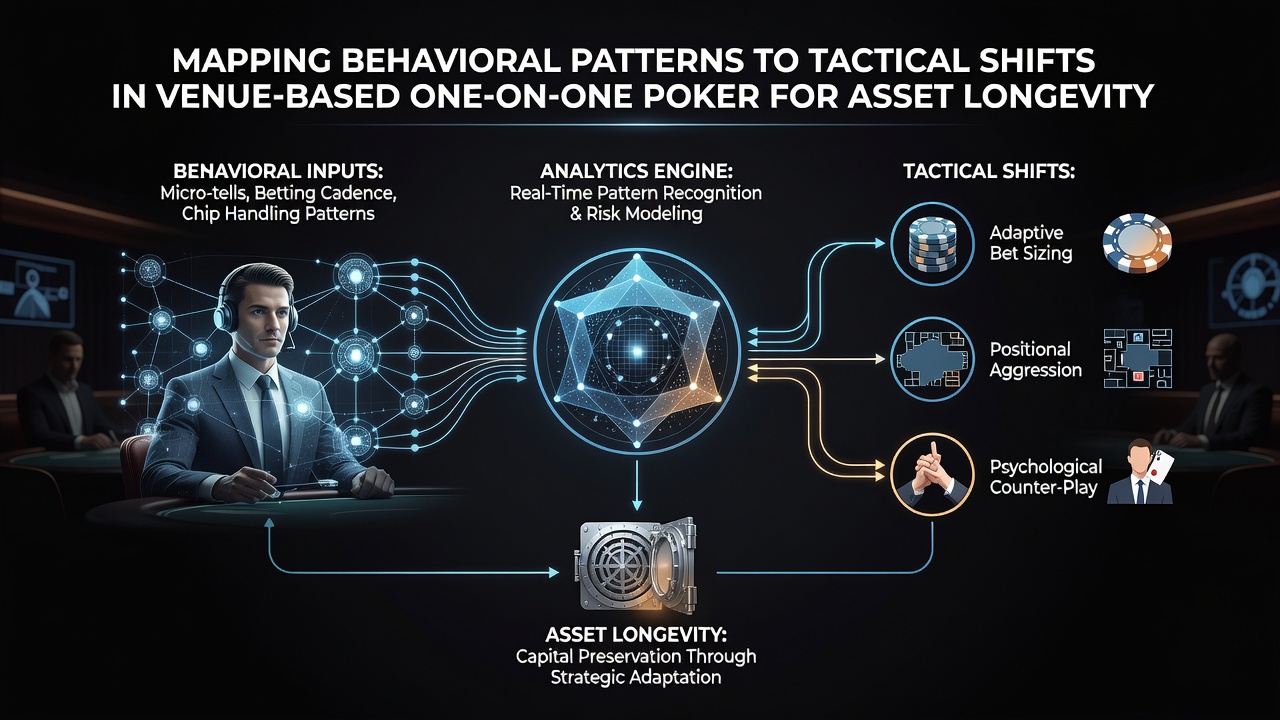
Long-Term Asset Management Through Adaptive Play
Sustained bankroll health emerges when pattern recognition feeds directly into risk calibration rather than isolated hand victories. Players who systematically record observed behaviors and resulting outcomes build datasets that inform future decisions across different casino properties and time periods. Evidence from longitudinal tracking indicates that those integrating behavioral mapping with standard bankroll percentage rules experience fewer sharp drawdowns during extended live runs. The approach requires ongoing refinement because opponents in regular rotation learn to mask or fake certain tells, prompting further tactical evolution.
Practical Application Examples from Casino Floors
One documented sequence involved a participant noticing an opponent's repeated left-hand tremor before strong river bets; the observer responded by folding marginal holdings while increasing bluff frequency on earlier streets. Over subsequent sessions, this adjustment contributed to measurable preservation of session capital. Another case showed a player using timing inconsistencies, quick preflop raises paired with delayed postflop actions, to narrow opponent ranges and select profitable calling stations. These instances illustrate how raw observation converts into repeatable processes that support extended participation without rapid asset depletion.
Conclusion
Effective mapping of behavioral patterns to tactical responses in venue-based one-on-one poker rests on disciplined observation, verification through repeated exposure, and integration with established bankroll protocols. Data from regulatory bodies and academic sources confirm that players applying these methods achieve greater consistency in live settings. As tournament calendars expand in 2026, the ability to translate physical signals into strategic adjustments remains a measurable component of long-term holding stability across casino environments.