Circadian Rhythm Patterns and Their Role in Shaping Aggression During Extended Heads-Up Poker Sessions at Leading Gambling Establishments
Vera Becker · Aug 26, 2026
Circadian Rhythm Patterns and Their Role in Shaping Aggression During Extended Heads-Up Poker Sessions at Leading Gambling Establishments
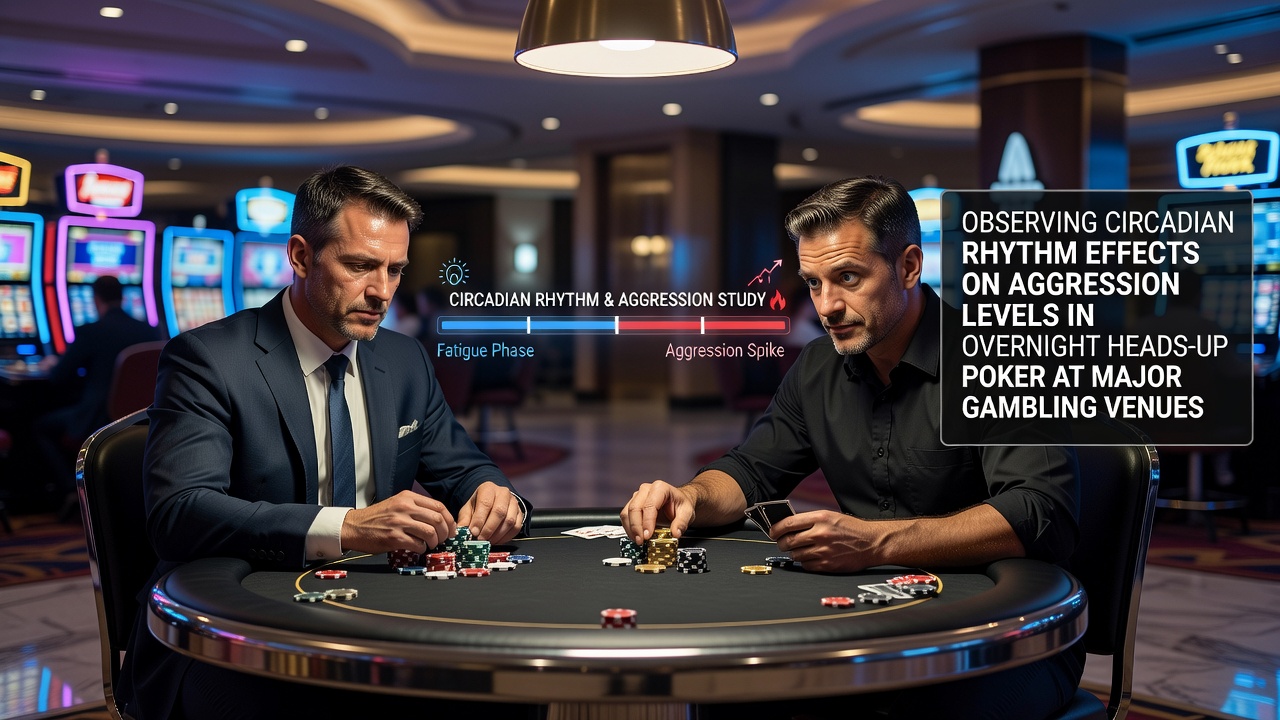
Research into circadian rhythms shows these internal body clocks regulate sleep-wake cycles, hormone levels, and cognitive functions across a 24-hour period, and data from multiple studies link these patterns to variations in emotional regulation and decision-making speed. Observers note that overnight periods often coincide with dips in alertness, which can influence how players approach high-stakes confrontations in heads-up formats at major venues.
Understanding Circadian Influences on Player Behavior
Studies conducted at institutions across North America and Europe have documented how core body temperature and cortisol levels fluctuate throughout the night, creating windows where reaction times slow and emotional responses intensify. Researchers discovered that aggression metrics in competitive tasks rise during certain circadian phases, particularly when participants operate against their natural sleep tendencies. Those who've examined poker data from extended sessions report similar trends, where late-night play coincides with shifts in betting frequency and raise sizing.
Evidence from performance laboratories indicates that melatonin onset around midnight to 4 a.m. correlates with reduced inhibitory control in some individuals. This physiological shift appears in observational records from casino floors, where overnight heads-up tables maintain steady action while players navigate fatigue-related impulses. Figures from monitoring programs at large properties reveal consistent participation levels during these hours, suggesting established routines among regulars who adapt to venue schedules.
Application to Overnight Heads-Up Formats at Major Venues
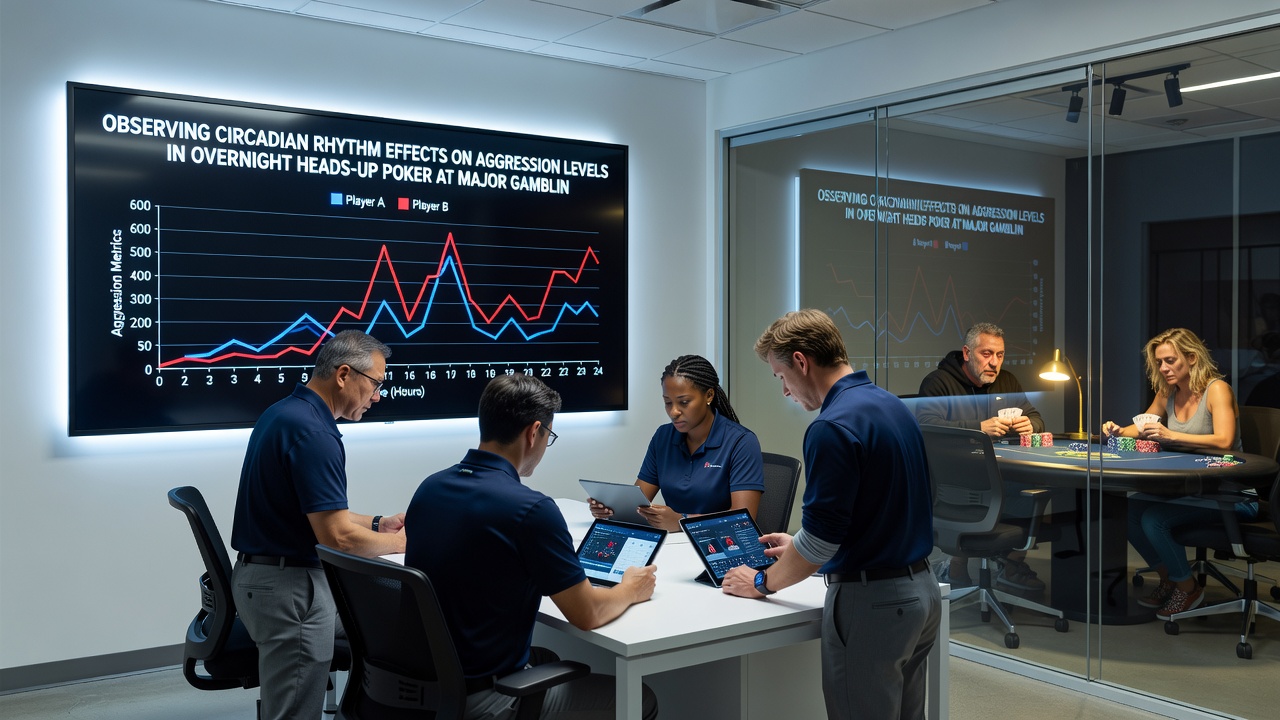
Major gambling establishments in Las Vegas, Atlantic City, and Macau operate continuous heads-up tables that draw participants seeking extended one-on-one matchups. Data collected during summer tournament series, including periods leading into August 2026 events, shows increased table occupancy after midnight as day-session players transition or night owls enter the mix. Analysts tracking session metrics note that aggression indicators, such as continuation bet rates and three-bet frequencies, display measurable variation across circadian windows.
One study revealed patterns where players logged more hands per hour between 2 a.m. and 6 a.m. yet posted wider variance in outcomes compared to afternoon blocks. Venue operators maintain detailed floor records that capture these trends without attributing causation, allowing researchers to cross-reference with external circadian datasets. Players who maintain consistent sleep schedules outside the casino environment often demonstrate steadier aggression calibration, according to aggregated performance logs shared among professional circuits.
Data Patterns From Venue Records and External Research
Reports compiled by academic groups at universities in Australia and Canada highlight parallels between laboratory aggression tasks and real-world gambling observations. These analyses incorporate heart rate variability and self-reported alertness scales collected from volunteer participants who engaged in simulated overnight play. Results indicate elevated physiological markers during trough periods that align with increased frequency of large bets or calls in documented hands.
Industry organizations such as the American Gaming Association publish annual summaries that include session duration statistics from member properties, providing context for how overnight traffic distributes across game types. Cross-referencing these with peer-reviewed findings on circadian misalignment allows observers to identify recurring themes without relying on single-source conclusions. Additional datasets from European research consortia further map decision quality across time zones, confirming that location-specific lighting and noise levels at venues interact with individual body clocks.
Venue Adaptations and Player Tracking Methods
Properties respond to these patterns by adjusting lighting schemes, offering hydration stations, and scheduling dealer rotations that support continuous play without disruption. Tracking systems employed at high-volume sites record entry times, average stack depths, and hand counts per session, generating anonymized datasets that researchers access through institutional partnerships. Such information reveals clusters of activity where aggression levels shift predictably with clock time rather than random distribution.
Participants who incorporate scheduled breaks aligned with personal circadian peaks often sustain more controlled play, as noted in follow-up surveys distributed through player networks. These observations remain descriptive, drawing from voluntary reporting and floor analytics rather than prescriptive recommendations. August 2026 schedules at circuits including WSOP stops continue to feature late-night side events that extend heads-up opportunities, maintaining the data collection environment for ongoing analysis.
Conclusion
Records from major venues combined with external circadian studies illustrate measurable connections between body clock phases and aggression indicators during overnight heads-up poker. Continued collection of session data across multiple regions supplies material for refined comparisons, while venue operators maintain operational frameworks that accommodate these extended play windows. Observers tracking these elements focus on patterns emerging from aggregated sources rather than isolated incidents, supporting objective examination of how internal rhythms intersect with casino environments.