Casino Reward Structures and Their Influence on Elite Heads-Up Poker Encounters
Vera Becker · Aug 12, 2026

Casino Reward Structures and Their Influence on Elite Heads-Up Poker Encounters
High-stakes heads-up poker sessions at major casino properties often intersect with intricate loyalty point systems that track every hand, every pot, and every hour spent at the table, and these mechanisms operate quietly in the background while players focus on their opponents. Data from regulatory filings shows that casinos award tier credits based on theoretical win percentages calculated from game type and stakes, which then convert into comps such as room upgrades, dining allowances, and cashback percentages that can reach several points per dollar in high-limit rooms.
Mechanics of Point Accumulation in One-on-One Play
Players accumulate these rewards through automated tracking systems that monitor rake contributions even in heads-up formats where traditional rake structures differ from multi-table games, and studies from gaming research institutions indicate that a single high-stakes duel lasting several hours can generate enough points to offset travel expenses or provide additional playing capital. Observers note that the formulas vary by property yet consistently factor in average bet size and session duration, creating a steady stream of benefits that accumulate regardless of whether the participant ends the match ahead or behind.
Behavioral Adjustments Driven by Reward Thresholds
When loyalty balances approach redemption milestones, participants sometimes extend sessions or adjust aggression levels to maximize credit earnings, and figures from casino operators reveal that such extensions occur more frequently in August 2026 schedules when promotional multipliers coincide with major tournament calendars. Researchers have documented cases where players select specific properties based on point conversion rates rather than table conditions alone, which alters the overall landscape of where high-stakes individual duels take place throughout the year.
Integration with Bankroll Dynamics
Loyalty redemptions function as a supplementary income stream that can stabilize variance during extended downswings, since cashback percentages apply to theoretical losses while actual results fluctuate independently. According to reports issued by the Nevada Gaming Control Board, these programs redistribute a measurable portion of operator revenue back to frequent players, and the effect becomes pronounced in heads-up environments where session lengths often exceed those seen in ring games or tournaments.
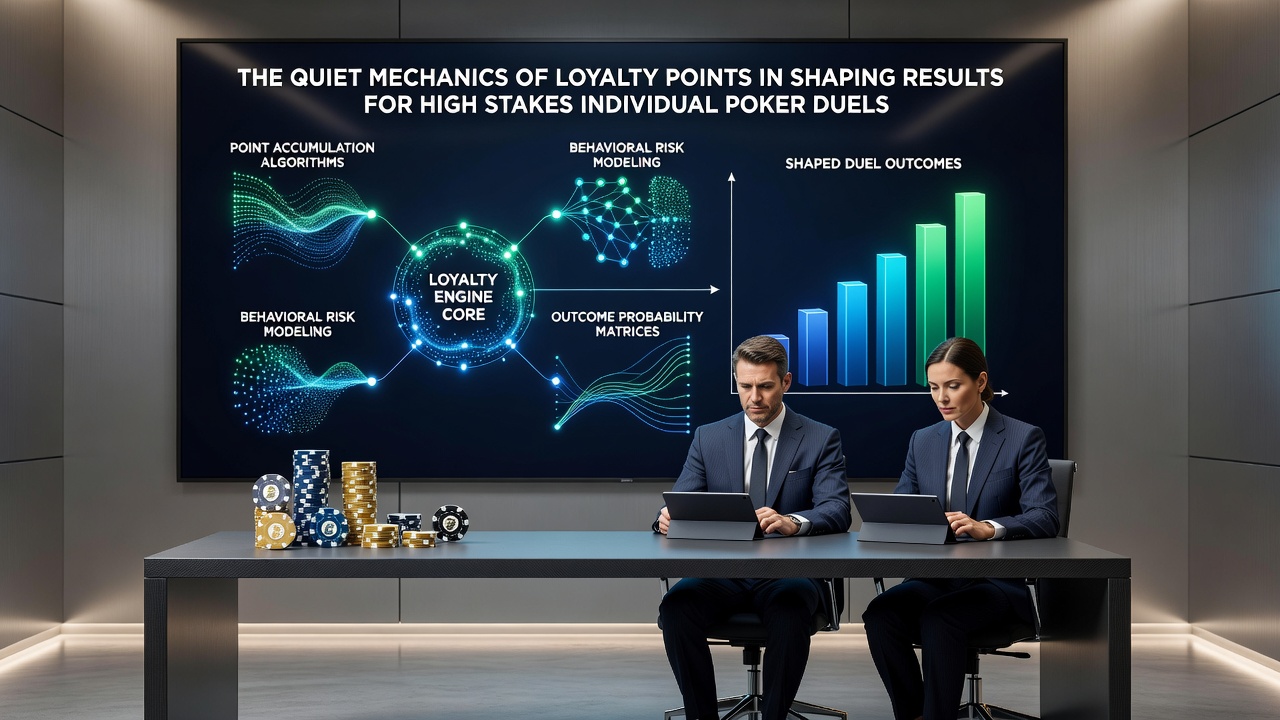
Take one documented example where a regular at a Las Vegas property used accumulated credits to secure private table access that reduced external distractions during critical matches, and similar patterns appear in data sets compiled by Canadian provincial gaming authorities that track cross-border player movements. The ball remains in the operator's court when setting earning rates, yet the resulting comps create tangible edges that compound over hundreds of sessions.
Regional Variations in Program Design
Properties in different jurisdictions apply distinct multipliers and expiration rules, which leads players to map out travel schedules around the most favorable structures. Evidence from industry trade groups shows that Atlantic City venues often emphasize dining and entertainment redemptions while Macau facilities prioritize luxury accommodations, and these differences influence where high-stakes duels cluster during peak summer periods. What's interesting is how software interfaces now display real-time point projections mid-session, allowing participants to factor potential rewards into immediate strategic decisions without leaving the table.
Long-Term Effects on Player Retention and Session Length
Longitudinal data indicates that loyalty tiers correlate with increased visit frequency among top-tier players, since higher status levels unlock benefits that offset the higher variance inherent in heads-up formats. One study released by a European research consortium found measurable differences in average session duration between loyalty members and non-members at equivalent stake levels, highlighting how these systems shape participation patterns across multiple continents.
Conclusion
The interplay between loyalty mechanics and high-stakes individual poker continues to evolve as casinos refine algorithms and players optimize their approach to both the game and the rewards attached to it. Reports from multiple regulatory bodies confirm that these programs represent a significant operational component that quietly channels resources back into the player ecosystem, sustaining activity levels even when raw poker outcomes remain unpredictable.