Casino Loyalty Structures Reshape Decision Making in Extended Heads-Up Poker Matches
Jonas Keller · Jul 8, 2026
Casino Loyalty Structures Reshape Decision Making in Extended Heads-Up Poker Matches
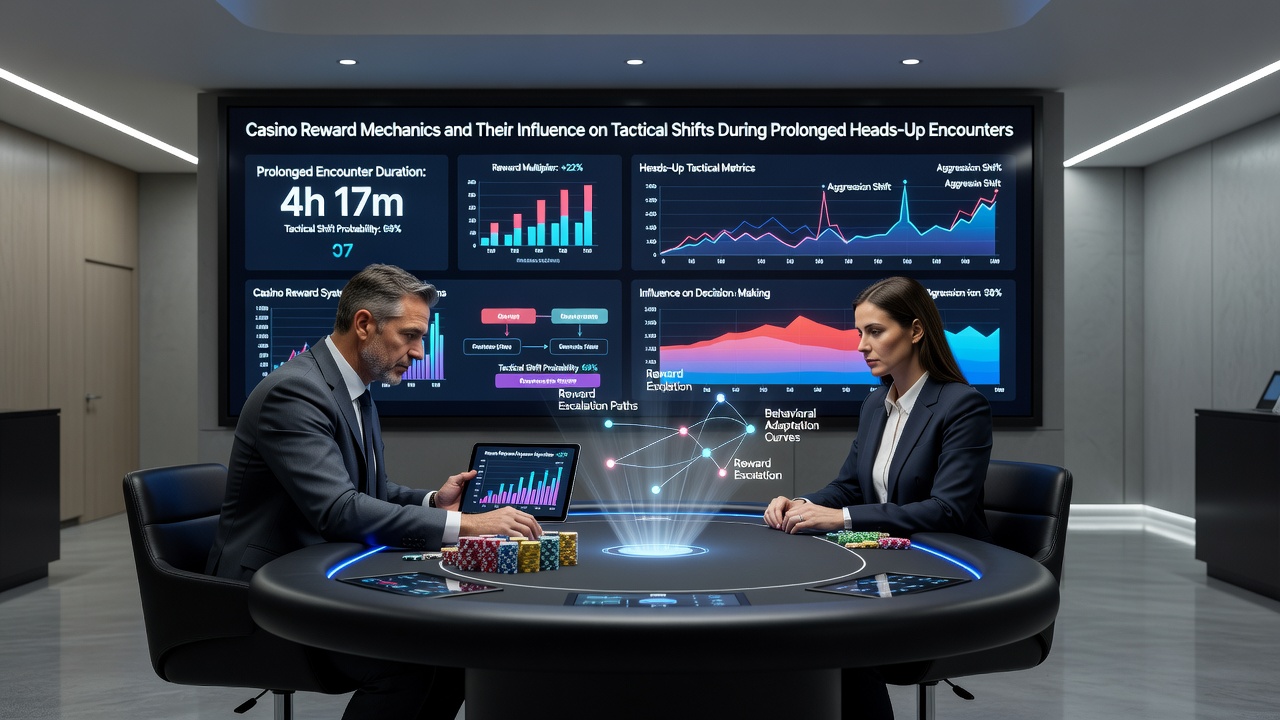
Heads-up poker sessions that stretch for hours create unique conditions where casino reward programs begin to intersect with in-game choices, and players adjust their approach based on accumulating points, tier credits, and comps rather than pure chip equity alone. These systems track every hand played, every pot contested, and every hour spent at the table, which leads observers to note measurable shifts in aggression levels and hand selection patterns during prolonged encounters.
Mechanics Behind Reward Accumulation
Casino loyalty frameworks award points through multiple channels, including time played, hands dealt, and rake generated, while tier credits often require specific thresholds that reward volume over selectivity. In heads-up formats, where only two participants split the action, the pace of accumulation speeds up compared to multiway games, which means players reach bonus thresholds faster during marathon sessions that extend past four or five hours. Data from industry reports shows that many venues calculate points on a per-hand basis, so participants who increase their voluntary put-ins or defend blinds more frequently generate higher totals even when immediate results vary.
July 2026 brings expanded tracking integrations at several major properties, with new software that logs micro-details such as preflop raise sizes and postflop continuation bet frequencies, allowing finer calibration of rewards tied directly to style of play. Those who have examined these updates point out that the systems now differentiate between passive and aggressive profiles, creating incentives that favor certain tactical adjustments over others during long duels.
Tactical Adjustments Observed in Practice
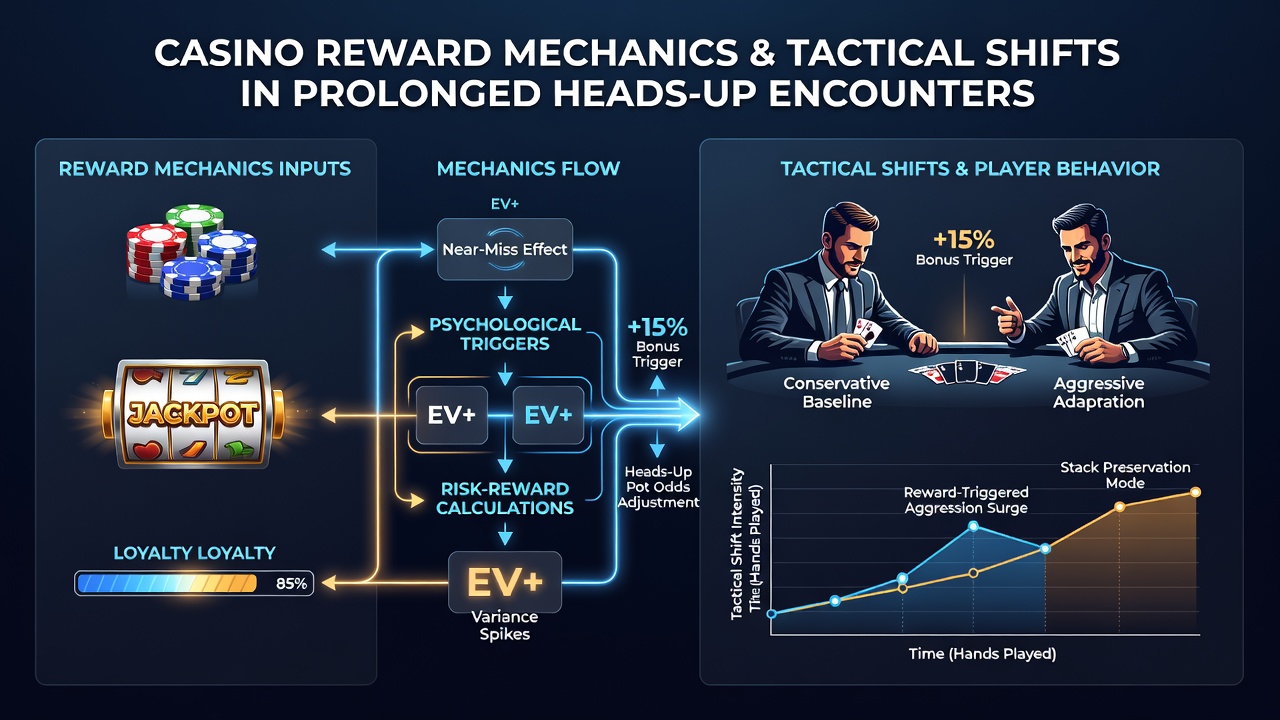
Participants frequently widen their opening ranges once they approach a new tier threshold, since additional hands dealt translate into faster point accrual without requiring changes in bet sizing. Researchers tracking session data across multiple sites found that raise frequencies climb by noticeable margins in the final hours of extended matches, particularly when players sit one or two comps away from meal vouchers or room upgrades. This pattern holds across both live rooms and online platforms that mirror casino structures, although the speed of reward delivery differs between the two environments.
Bluffing intervals also shift when reward multipliers activate during peak hours, because the cost of a failed bluff becomes partially offset by guaranteed points that accumulate regardless of outcome. One documented case involved a regular who maintained an elevated three-bet percentage once a loyalty bonus period began, resulting in higher overall point totals even as short-term variance increased. Such adjustments remain measurable because the reward layer operates independently of individual hand results, which allows the mechanical incentive to influence choices consistently across many encounters.
Regional Regulatory Context and Data Sources
Figures released by the Nevada Gaming Control Board indicate steady growth in loyalty program participation rates among poker players, with heads-up tables contributing disproportionately to total tracked hours compared to their share of overall floor space. Similar patterns appear in reports from the Australian Communications and Media Authority, where online poker operators that integrate casino-style rewards show comparable increases in session length once point thresholds become visible to users. These statistics highlight how reward visibility correlates with sustained engagement, though exact causation requires further controlled study.
Academic work from the University of Nevada, Las Vegas, examined how external incentive layers interact with decision frameworks in zero-sum games, and the findings align with observed increases in hand volume once rewards enter the equation. External links to these regulatory and research bodies provide additional context for those examining broader trends beyond individual sessions.
Long-Term Effects on Session Dynamics
Prolonged heads-up play under active reward systems tends to produce steadier table presence because the non-monetary return compounds over time, which reduces the likelihood of abrupt exits when stacks fluctuate. Players who reach higher loyalty tiers often receive priority seating or reduced rake structures that further encourage extended participation, creating feedback loops where initial tactical widening leads to greater overall exposure and, subsequently, larger reward payouts. Observers note that these loops remain most pronounced in venues where point expiration policies reward consistent monthly activity rather than sporadic visits.
Bet sizing adjustments appear more conservative once major comps unlock, since the value of continued play outweighs marginal edge-seeking in some documented instances. The combination of structural incentives and game length therefore produces a distinct strategic overlay that sits alongside traditional poker considerations such as opponent tendencies and stack depths.
Conclusion
Casino reward mechanics introduce an additional variable into heads-up decision trees that grows more influential as sessions lengthen and point totals climb. Tracking systems, tier structures, and comp delivery methods all contribute to measurable changes in range construction, aggression timing, and session duration, while regional data sources confirm these patterns across multiple jurisdictions. The interaction between loyalty frameworks and tactical choices continues to evolve with new software integrations and policy updates, shaping how participants approach extended one-on-one encounters at both live and online venues.