Acoustic Dynamics in Casino Settings and Their Impact on Decision Timing in Lengthy Heads-Up Poker Engagements
Jonas Keller · Jun 6, 2026
Acoustic Dynamics in Casino Settings and Their Impact on Decision Timing in Lengthy Heads-Up Poker Engagements
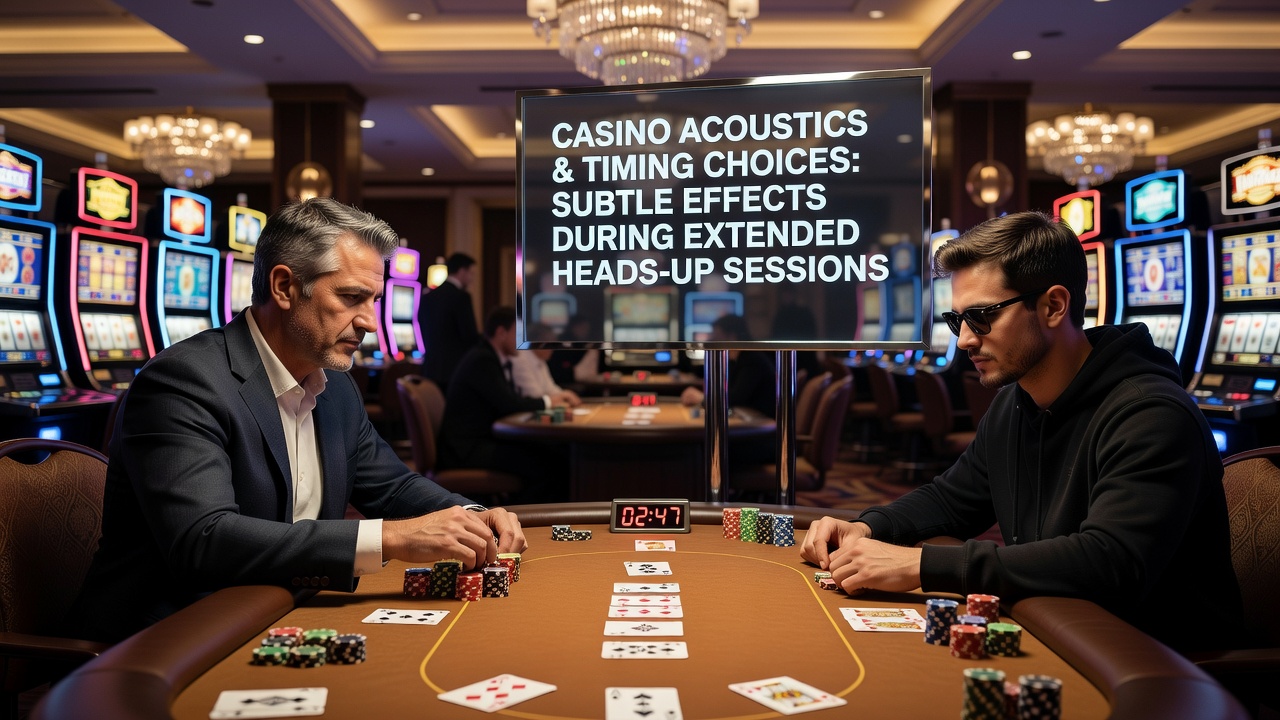
Casino environments generate layered soundscapes that include electronic chimes from nearby machines, background music selections, dealer announcements, and conversations among patrons, all of which combine to create measurable variations in ambient noise levels throughout the gaming floor. Observers note that these acoustic elements often reach averages between 70 and 85 decibels in active poker areas during peak hours, according to data compiled by the Nevada Gaming Control Board. Such conditions persist across extended sessions where players remain seated for four hours or longer, particularly in heads-up formats that demand continuous attention to opponent patterns and betting sequences.
Sound Patterns and Cognitive Processing During One-on-One Matches
Research from institutions like the University of Nevada, Las Vegas indicates that sustained exposure to irregular auditory stimuli can alter neural response times in tasks requiring rapid pattern recognition, a skill central to heads-up poker where timing between decisions often spans several seconds. Players seated directly adjacent to high-traffic slot banks encounter intermittent bursts of celebratory audio cues that interrupt steady concentration, leading some to extend their deliberation periods by fractions of a second on marginal hands. Data collected across multiple Nevada properties shows that decision intervals lengthen noticeably after the second hour of play when background noise fluctuates above baseline thresholds, while quieter pockets near private tables allow for more consistent pacing.
Those who study casino operations have documented how piped-in music selections, typically set at volumes calibrated for broad appeal rather than focused activity, interact with these effects. Upbeat tracks with strong bass frequencies tend to accelerate heart rates in controlled experiments, which in turn influences the speed at which individuals process equity calculations during betting rounds. In contrast, ambient tracks with steady rhythms correlate with steadier timing choices, though individual responses vary based on prior exposure to similar environments.
Extended Session Fatigue Amplified by Environmental Noise
Long-duration heads-up encounters, often stretching past midnight in venues operating continuous tables, compound these influences as mental fatigue sets in alongside ongoing acoustic input. Figures from industry monitoring reports reveal that error rates in timing-related actions, such as premature calls or delayed folds, increase by measurable margins after three hours when players remain in zones with frequent public address interruptions. Casino management teams adjust speaker placements in newer facilities to direct sound away from core poker sections, yet older layouts continue to funnel spillover from adjacent gaming zones.
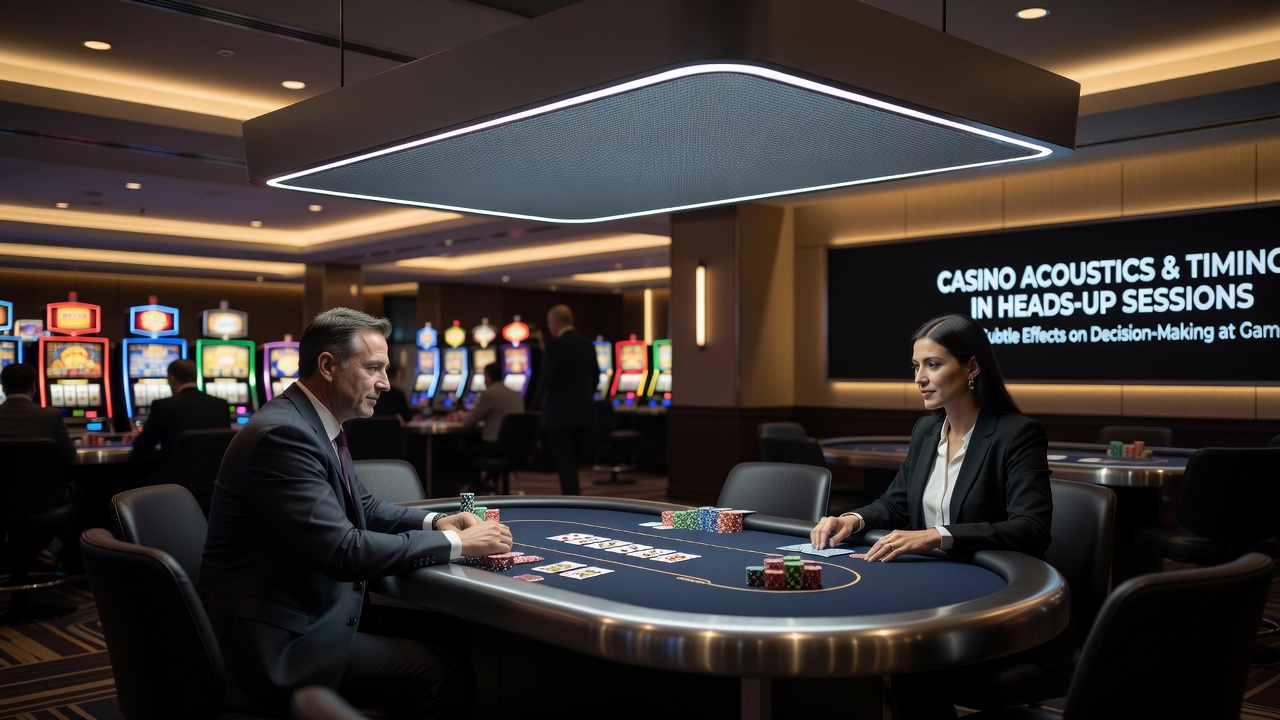
What's interesting here is how dealer interactions layer additional variables onto the mix, since verbal calls and chip-racking sounds create localized peaks that punctuate quieter moments. Players who maintain regular schedules through June 2026 have reported that these micro-disruptions accumulate, prompting slight shifts toward more conservative timing on river decisions where precise reads matter most. Australian gaming research centers have paralleled these findings in studies of similar table games, noting parallel patterns in response latency tied directly to decibel variability rather than overall volume alone.
Regional Variations in Acoustic Management Approaches
Properties in different jurisdictions apply distinct strategies to mitigate these factors, with Canadian regulatory bodies emphasizing acoustic panel installations in high-stakes rooms while U.S. venues often rely on layout adjustments and volume caps during overnight hours. European operators draw from hospitality standards that prioritize zoned sound control, resulting in lower average interference for prolonged sessions. These differences produce observable variations in average decision speeds recorded across international tournament circuits, where heads-up play extends into early morning periods.
One study revealed that participants exposed to casino-like soundtracks in laboratory settings adjusted their action timing by up to 1.2 seconds on average when low-frequency rumble components dominated the audio profile, effects that scaled with session length. Observers tracking real-world outcomes note similar trends on the floor, particularly during periods when multiple tables operate simultaneously and share acoustic space.
Conclusion
Acoustic conditions in gaming venues continue to shape subtle aspects of timing behavior across extended heads-up sessions through direct effects on attention and indirect contributions to cumulative fatigue. Ongoing measurements from regulatory and academic sources provide baseline data that casino designers reference when planning future layouts, while players adapt through positional choices and breaks that reset sensory exposure. These environmental interactions remain consistent elements within the broader framework of casino poker operations as schedules advance into 2026 and beyond.