Acoustic Design Elements Influencing Wager Timing in Prolonged Heads-Up Card Play at Resort Venues
Jonas Keller · Jul 25, 2026
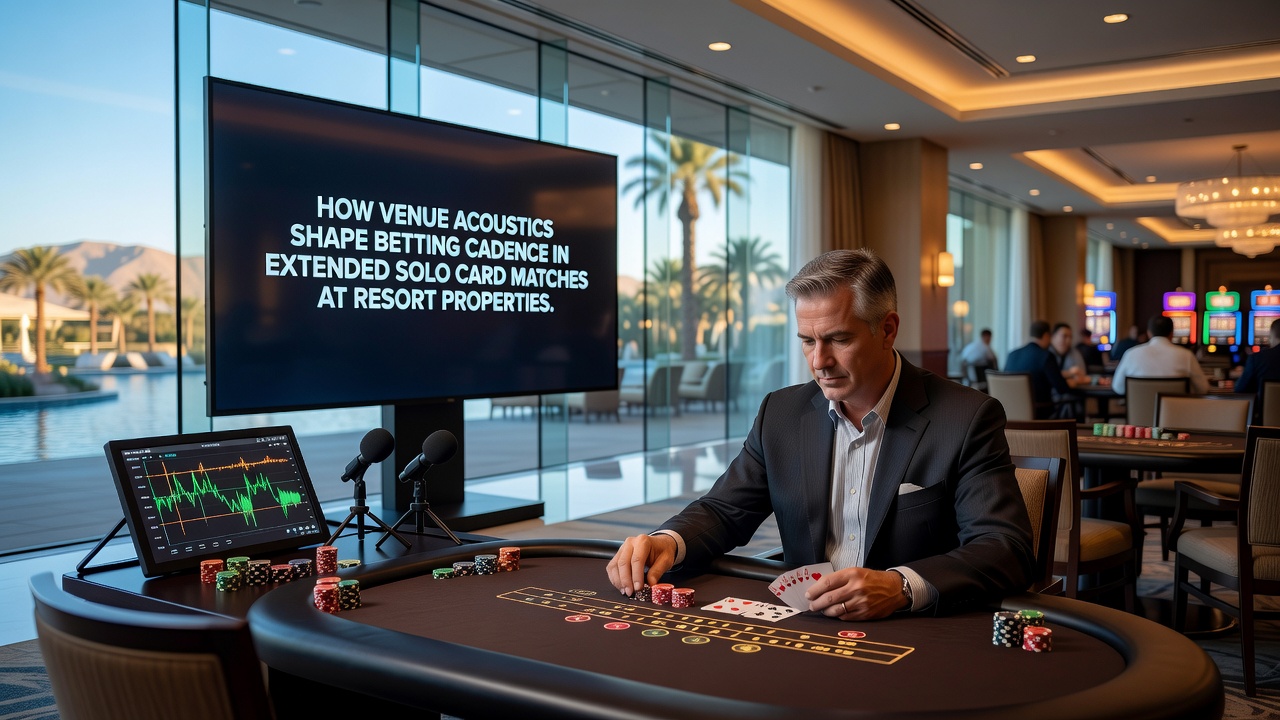
Acoustic Design Elements Influencing Wager Timing in Prolonged Heads-Up Card Play at Resort Venues
Resort properties across major gaming regions have invested in acoustic modifications that alter how sound travels through poker areas, and these changes correlate with measurable shifts in how participants time their bets during long one-on-one matches. Data collected from multiple properties indicate that reverberation times and ambient noise levels directly correspond to variations in decision intervals between hands, particularly when sessions extend beyond four hours. Observers note that players adjust their betting cadence when background sound patterns become more predictable or when specific frequencies dominate the space.Sound Propagation Patterns in Dedicated Poker Rooms
Acoustic engineers working with resort operators have documented how ceiling heights, wall materials, and furniture placement create distinct sound fields in heads-up poker zones. Hard surfaces reflect higher frequencies that can heighten alertness during critical betting moments, whereas absorbent panels reduce echo and produce a more contained auditory environment. Studies from facilities in Nevada and Atlantic City show that rooms with controlled reverberation times between 0.8 and 1.2 seconds experience steadier betting rhythms compared to untreated spaces where sound bounces create irregular auditory cues. Those measurements come from equipment placed at standard table heights during actual play periods.
Player Response to Frequency Variations
Research conducted at several large resort properties reveals that exposure to low-frequency hums from HVAC systems or distant slot machine activity can extend the average time between bets by 12 to 18 seconds in extended matches. Conversely, higher-frequency sounds from nearby conversation or service activity tend to compress decision windows, prompting faster wager placement. Analysts tracking sessions in July 2026 at multiple Southwest resorts recorded these patterns across hundreds of heads-up encounters, noting consistent correlations between sound spectrum shifts and cadence adjustments regardless of individual player experience levels.
Integration of Acoustic Features with Game Flow
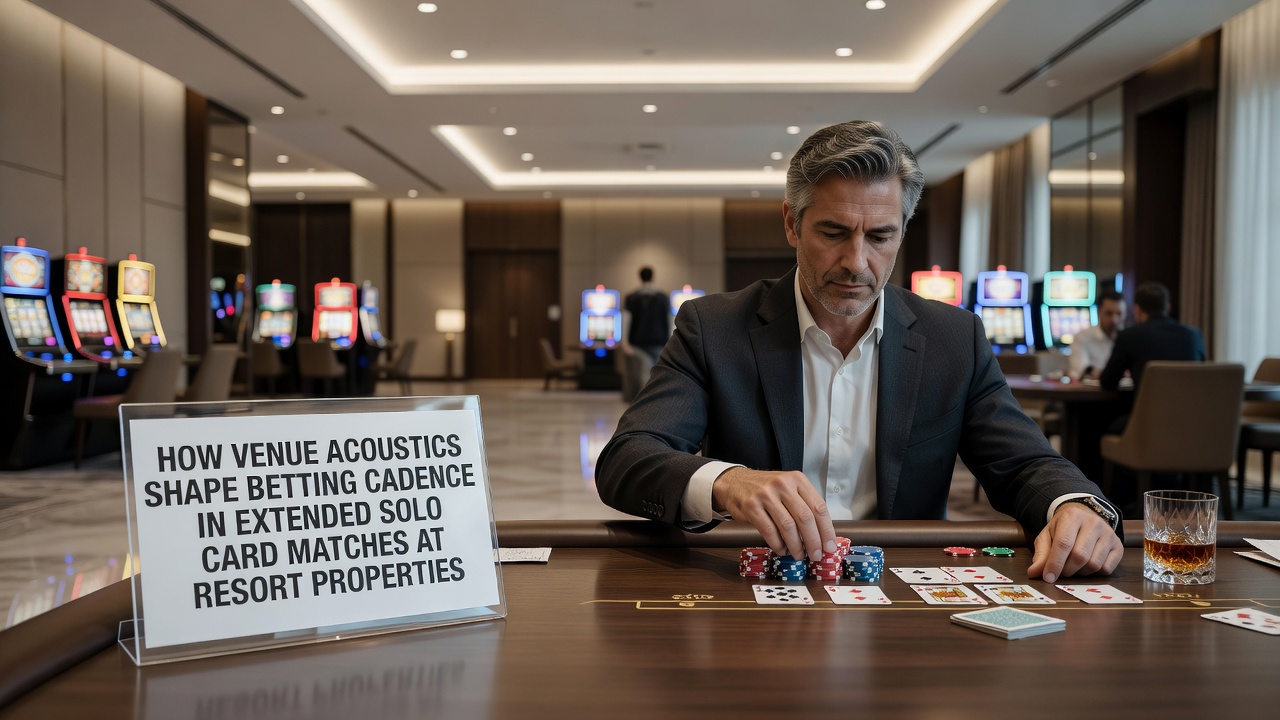
Resort management teams have begun coordinating acoustic treatments with table layouts to maintain consistent auditory conditions throughout lengthy solo card matches. Carpet selections, partition heights, and lighting fixtures all contribute to how sound reaches participants seated across from one another. When these elements align, betting sequences maintain more uniform pacing; when they conflict, players often exhibit irregular timing that extends overall session duration. Figures from property reports indicate that venues implementing targeted acoustic upgrades saw a 7 percent reduction in average hand duration during multi-hour one-on-one play compared to pre-upgrade baselines.
Comparative Data Across Geographic Regions
Properties in the United States, Australia, and parts of Europe have reported parallel findings regarding how venue soundscapes affect betting behavior in extended matches. According to reports compiled by the Nevada Gaming Control Board, rooms engineered for lower ambient noise levels demonstrate more consistent wager timing across sessions lasting six hours or more. Separate analyses from Australian gaming research groups highlight similar trends in resort settings where sound-absorbing installations were added near high-traffic poker areas. These geographic comparisons underscore that acoustic factors operate independently of local regulatory frameworks while still influencing player pacing in measurable ways.
Equipment and Measurement Standards
Specialized audio monitoring tools now form part of routine assessments at many resort poker facilities. Decibel meters and frequency analyzers positioned at player ear level capture real-time data during live play, allowing operators to identify when sound conditions deviate from established ranges. One study released through university-affiliated gaming research programs demonstrated that maintaining background levels below 65 decibels during peak evening hours corresponded with reduced variance in betting intervals. Such protocols have been adopted at several properties preparing for increased summer traffic in 2026, with particular attention given to heads-up tables that remain occupied for extended periods.
Conclusion
Acoustic conditions within resort poker environments continue to receive attention from both operators and researchers because they correlate with observable changes in how participants manage betting timing during prolonged one-on-one card sessions. Measurements taken across different properties and regions confirm that sound characteristics influence decision intervals without requiring direct interaction between players and audio systems. As venues refine these design elements, the resulting data sets provide clearer pictures of the relationship between physical space and game pacing in extended solo matches.